

Climate Loss and Damage – Who Pays?
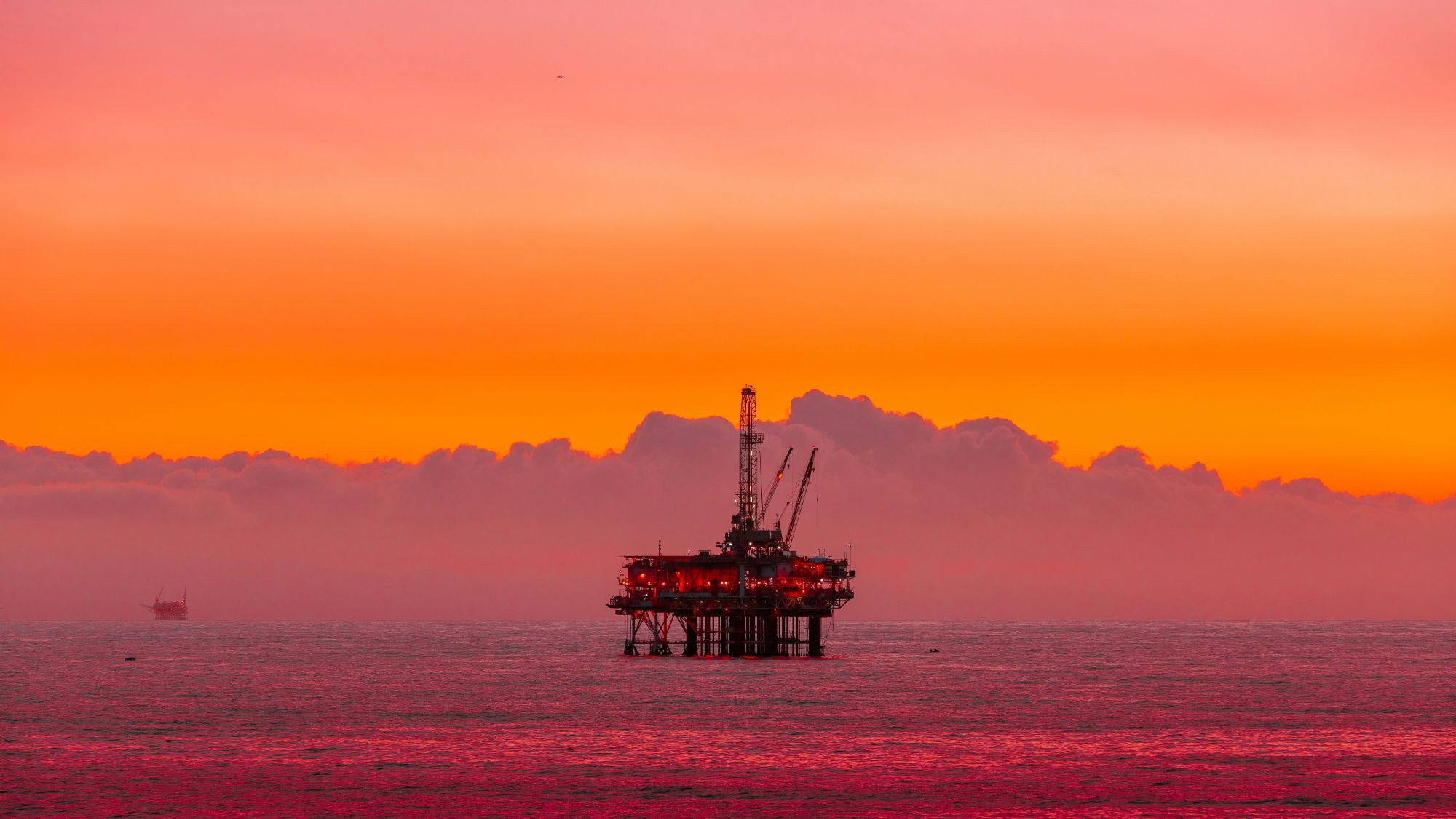
Since 1954 the oil giants have known that burning fossil fuels causes climate change; that burning fossil fuels causes air pollution; that methane gas – what the industry calls “clean” or “natural” gas – is an even bigger contributor to rising global temperatures. They have known that oil and gas leaking from pipelines pollutes the soil, water supplies and the air. They have known – and seen – how oil spills kill wildlife, seabirds and marine life, how these spills cause ecological devastation.
Yet for all this, oil giants have continued to expand production and make ever larger profits. They have continued to promote their products to new markets – especially in developing countries where renewable energy would be cheaper and easier to sustain. They have used advertising to present their products as natural, as necessary for economic growth, as good for households and industry, and – unbelievably – as good for security. They have employed lobbyists and sponsorship deals to ensure governments and other big institutions stay on their side.
It is clear that the oil industry has caused £ billions of damage to people’s lives, to the environment and to the climate. Yet are they obliged to make good the damage they have caused? To compensate those who have suffered loss? To pay fines for their continuing intransigence?
Oil companies do not willingly pay for the damage they cause but serious attempts are being made to ensure that they do! Here are two examples.
Make Polluters Pay

The Make Polluters Pay coalition in the UK is campaigning to highlight the impact of climate change on people here and across the globe:
- £3000 per year from higher food costs and insurance bills – and for other nations it is much more
- 2877 excess deaths during the heatwaves in May and June 2026 – and again far worse in other countries
- £4.4 billion lost to the economy due to lost output and reduced working hours – and that doesn’t include the losses suffered by farmers as this year’s harvest is yet again down.
- $120 billion losses from the ten costliest global disasters in 2025 alone
- 250 million people displaced by climate disasters over the last decade.
And all the while, oil giants were making $2.8 billion every day for the last 50 years!
Make Polluters Pay is demanding that the UK government impose windfall tax these oil companies so that they do not profit from rising oil prices solely driven by the war in the Middle East. They advocate that this money should be used to:
- Keep schools, hospitals and care homes safe during extreme heat
- Give firefighters and emergency services the resources they need to respond to floods and wildfires
- Protect homes, transport and other vital infrastructure from climate impacts
- Accelerate the transition to clean, affordable British energy
- Support communities around the world recovering from climate loss and damage and adapting to a changing climate.
Court Action – The Odette Case

In December 2021, Super Typhoon Odette tore through the Philippines and upended the lives of more than 8 million people. Typhoon Odette remains the third strongest storm ever recorded in the Northern Hemisphere. New research shows that the likelihood of storms like Typhoon Odette has doubled in the Philippines due to human-induced climate change. In a landmark 2022 report, the Philippine Commission on Human Rights found that companies like Shell are partly to blame.
On the basis of this a group of Filipinos, victims of the Typhoon, are using the law to hold Shell accountable for its contribution to Super Typhoon Odette. They filed their claim, the first stage of these proceedings, at the High Court of Justice on 9 December 2025.
Backed by UK law firm Hausfeld, this case will be filed in the UK, where Shell is based, but will follow Philippine law since the harm occurred there. This case puts the power in the hands of the communities demanding justice for the harm caused by Shell’s dangerous activity.
The claimants are seeking financial compensation for the damage they suffered, in line with the “polluter pays principle”. The claim alleges that Shell’s actions contributed to anthropogenic climate change, making Typhoon Odette significantly more likely and more severe.
By Judith Russenberger
Leave a Reply